

How to Choose a Trail Camera Manufacturer: 10-Point Buyer Checklist
Why your factory choice decides your margins
Ask any distributor who has been burned before: the trail camera business is won or lost at the factory door. Two brands can sell cameras with identical-looking spec sheets — 4K, 4G, solar, IP67 — and one survives its first hunting season while the other drowns in returns. The difference is rarely the brochure. It is the manufacturer behind it.
This guide is written for brand owners, distributors and procurement teams sourcing trail cameras from China. It compresses the questions we hear from buyers — and the mistakes we see their competitors make — into a 10-point checklist you can take into your next factory conversation.
Manufacturer or trading company? Five ways to tell
Before you evaluate anything else, know who you are actually talking to. Neither is automatically wrong — trading companies can be excellent aggregators — but you should price and manage the relationship accordingly.
- Business scope. Ask for the company’s business license and check whether “R&D and manufacturing” appears in the registered scope, not just “trading”.
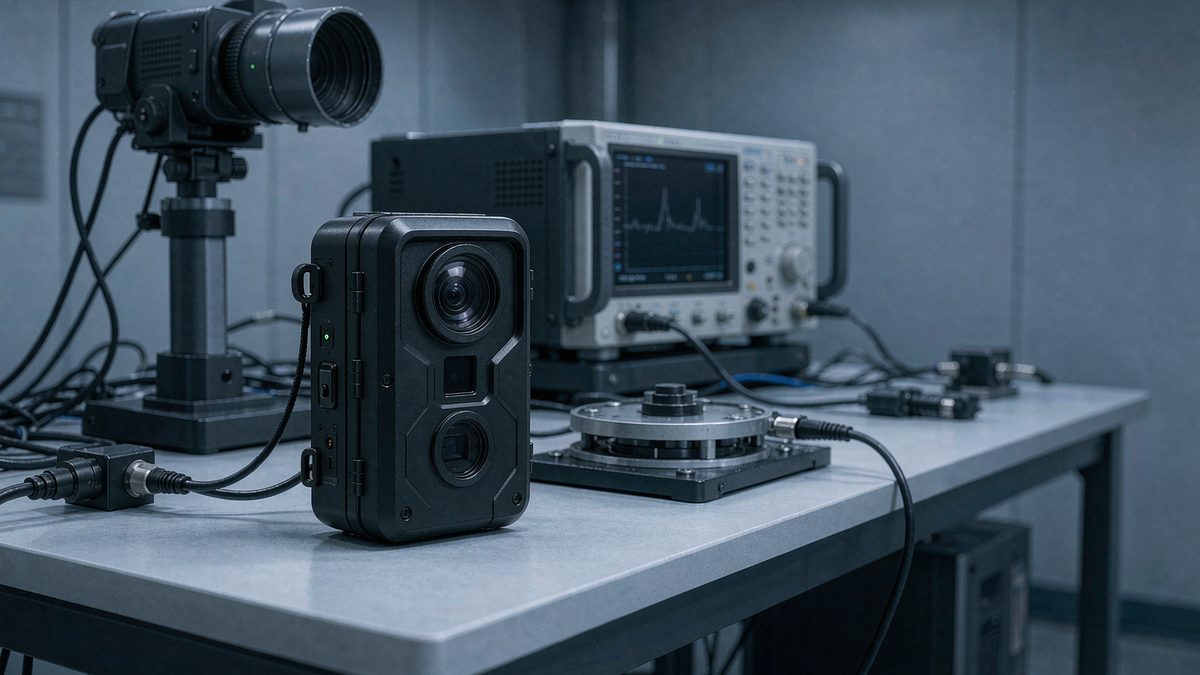
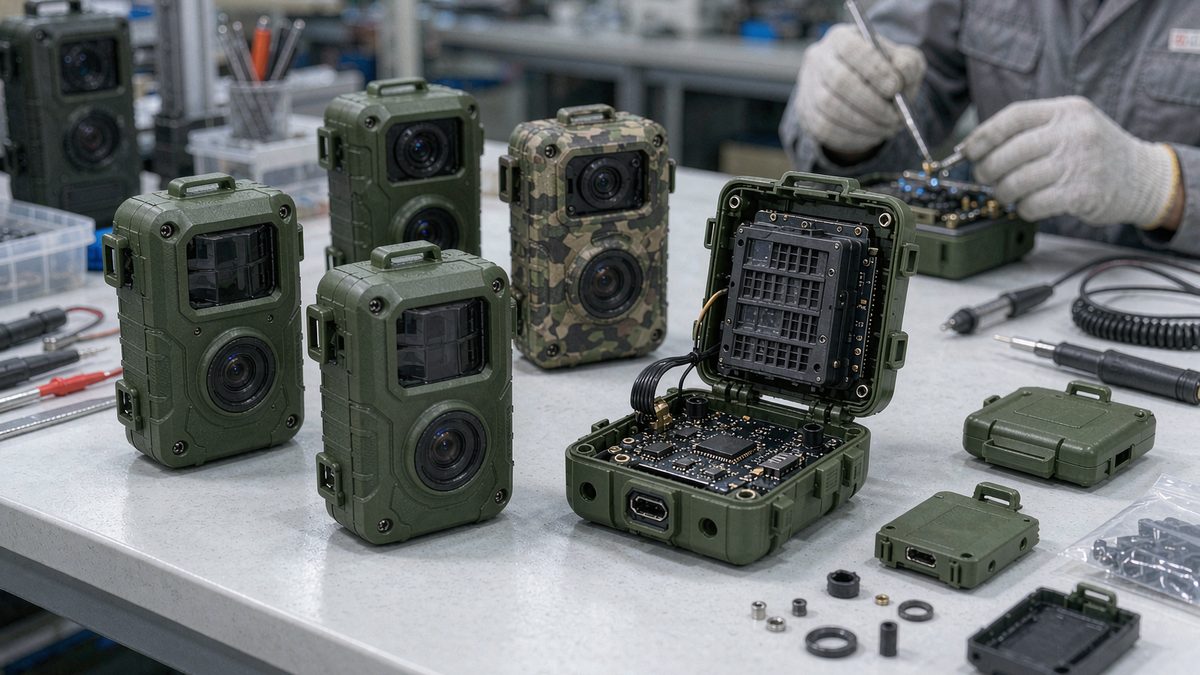
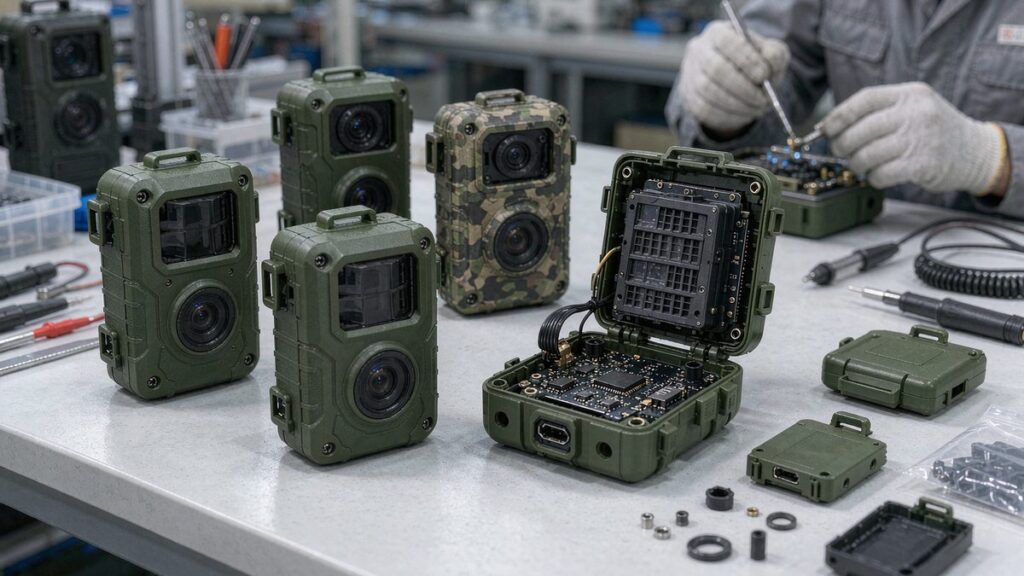
- Factory audit or video walkthrough. A real factory can show you SMT lines, assembly, an aging-test area and a QC lab on a live video call with 24 hours’ notice.
- Platform breadth. Manufacturers develop camera platforms (shared PCB, housing and firmware families) that spawn many models. Traders resell whatever is on Alibaba this month.
- Sample lead time. A manufacturer with stock platforms ships customized samples in days; a trader adds a layer of delay to everything.
- Engineering answers. Ask a technical question — “which PIR sensor do you use and why two instead of three?” A factory answers from experience; a trader forwards your email.
The 10-point trail camera manufacturer checklist
1. Product platform maturity
Ask how many models are built on the same platform and how long the platform has shipped. A mature platform means stable firmware, proven tooling, and spare parts availability for years. A “custom” camera built from scratch for one buyer is where quality and delivery go to die.
2. Image sensor and optics
Resolution numbers are marketing; sensors and lenses are physics. Ask which image sensor grade is used, what the lens aperture is, and how the camera performs at dusk — the moment that actually matters for wildlife. Request unretouched night-time sample photos and videos taken at real distances, not studio renders.
3. Detection circuit: PIR, trigger speed and angle
The detection circuit is the heart of a trail camera. More PIR zones mean fewer false triggers and better coverage. Ask for: the number and arrangement of PIR zones, trigger speed (a good camera wakes in under half a second), recovery time between shots, and detection angle versus field of view. A wide lens with a narrow detector is how cameras “miss” animals walking past.
4. Night flash type — and honest range
No-glow (940nm) is invisible to game and humans but shorter range; low-glow (850nm) reaches further with a faint red glow. Ask both what the marketed flash range is and what the usable range is — in the industry the gap is often double. A manufacturer that shows you real 20-meter night footage is more trustworthy than one claiming 30 meters on paper.
5. Power architecture and cold weather
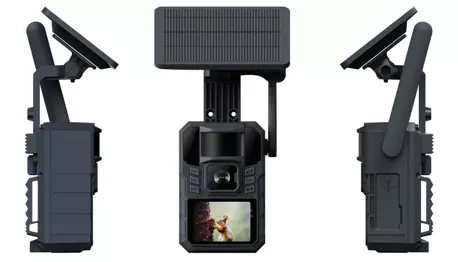
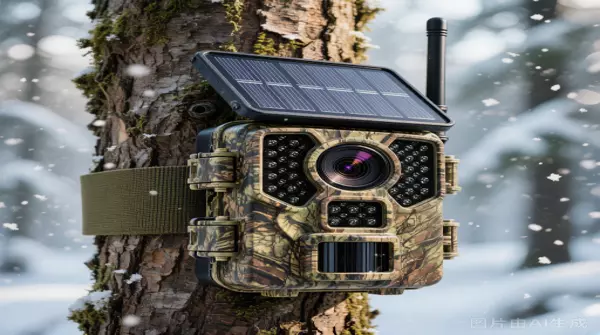
Battery anxiety is the top complaint in trail camera reviews. If you sell solar models, ask how the solar panel and lithium cell are managed (charge controller quality, over-winter behavior at -20°C, and whether the camera can run on AA batteries as backup). Solar looks great on a spec sheet and fails in field winters if the power budget was never engineered.
6. Cellular readiness: bands, APP and data ownership
For 4G models, drill into three areas. First, band support for your target country’s carriers — a camera built for European LTE bands will underperform in North America. Second, the APP and server: who develops and hosts them, what happens if the supplier shuts down, and is white-labeling offered. Third, data ownership and subscription: whether photos route through the factory’s own cloud, and who pays for data plans. Cellular cameras are a service, not just a device.
7. Waterproofing and build quality
IP66 or IP67 on the box means nothing without process discipline behind it. Ask how gaskets are sealed, whether units pass a water-immersion or rain-chamber test on the line, and what the rated operating temperature range is. If you sell into climates with real winters, ask for cold-chamber test records.
8. OEM/ODM depth
“OEM” ranges from sticker-level to deep customization. Define exactly what you need: logo printing, custom packaging, boot-splash and UI customization, APP white-labeling, custom housing colors or a private mold, firmware feature changes. A capable manufacturer quotes each layer separately and tells you honestly which layers need volume to justify tooling.
9. Compliance and certification support
Your shipment clears customs on paperwork, not promises. Your manufacturer should supply FCC test reports and grants, CE DoC and technical files, RoHS reports, and UN38.3 battery transport documents — and help you understand which certifications your market actually requires. This topic is big enough that we wrote a separate guide: trail camera certification: CE, FCC and what your market requires.
10. MOQ, lead time and after-sales
Ask for: realistic MOQs for first orders, repeat-order lead times, and — most revealing — the annual failure rate the factory tracks, plus the RMA process and spare-parts policy. Factories that measure failure rates will tell you the number; those that don’t measure it will change the subject.
Five red flags that end the conversation
- Prices dramatically below the market without a technical explanation.
- No live factory tour, or excuses every time you propose one.
- “Customization” that turns out to be a sticker on shelf stock.
- No test reports, or reports whose lab names don’t check out.
- Vague answers about who owns and operates the cellular APP and server.
The checklist at a glance
| # | Area | What to ask for |
|---|---|---|
| 1 | Platform maturity | Models per platform, years in production |
| 2 | Sensor & optics | Sensor grade, aperture, raw night samples |
| 3 | Detection circuit | PIR zones, trigger speed, detection angle |
| 4 | Night flash | No-glow vs low-glow, usable range footage |
| 5 | Power | Solar/battery architecture, cold-weather data |
| 6 | Cellular | LTE bands, APP ownership, data plans |
| 7 | Build | IP testing process, temperature range records |
| 8 | OEM/ODM | Each customization layer quoted honestly |
| 9 | Compliance | FCC/CE/RoHS/UN38.3 documents on request |
| 10 | After-sales | Failure rate, RMA process, spare parts |
How GrandVision answers this checklist
We are a Shenzhen-based outdoor imaging manufacturer with over 13 years in imaging technology, producing 4G, WiFi and solar trail cameras, night vision devices, kids cameras and action cameras under our own platforms. We support OEM/ODM partners from product development through certification and after-sales, with 24/7 technical support and published failure-rate tracking.
Put our answers next to any competitor’s: browse the full product range, start with the trail camera series — for example the HC30C-W WiFi solar trail camera or the HG200 4G camera with GPS and 3 PIR — or contact us for a quote. We answer the checklist above in writing.