

How Trail Cameras Empower Nature Reserve Conservation
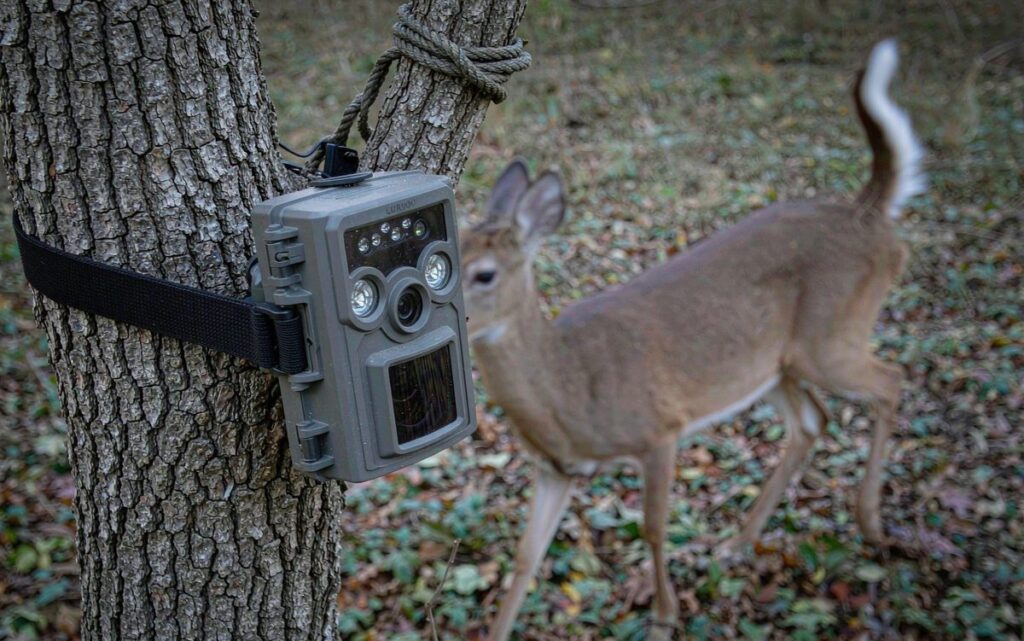
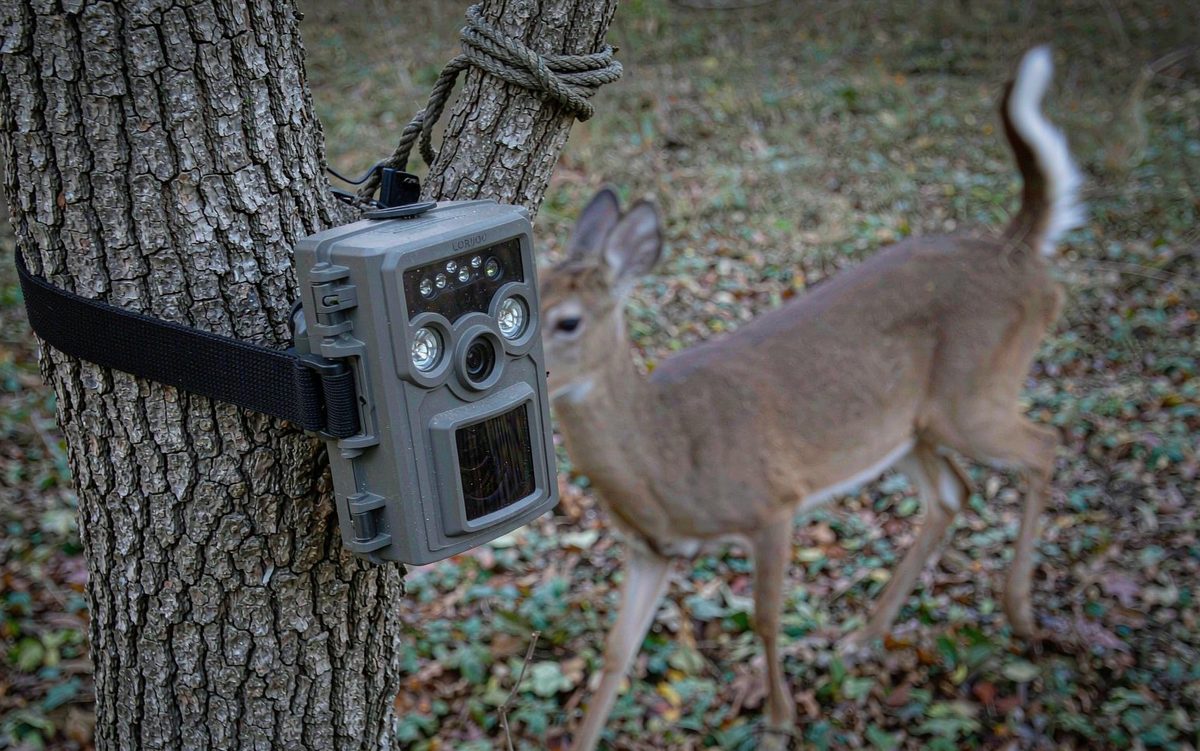
Deep inside a nature reserve, the most reliable field researcher never sleeps. Strapped to a tree at the height of a deer’s shoulder, a modern trail camera records every passerby — four-legged or two-legged — day and night, in burning summer heat or freezing rain. For reserve managers and conservation teams, this unblinking little device has become one of the most cost-effective tools in modern wildlife protection.
1. Non-Invasive Wildlife Monitoring, 24/7
Traditional wildlife surveys rely on line transects, spotlight counts, and indirect signs such as tracks and droppings. These methods are labor-intensive, seasonal, and — most importantly — they disturb the very animals researchers are trying to protect.
Trail cameras flip the equation. With passive infrared (PIR) motion sensors and invisible or low-glow infrared flash, they detect and photograph animals without any human presence. A single unit can operate unattended for months on battery power, capturing honest records of natural behavior: feeding, grooming, nursing, territorial marking, and interactions between species. For elusive and nocturnal animals that human observers rarely see, the trail camera is often the only practical way to confirm their presence.
2. Species Inventory and Population Research
Deployed in systematic grids — for example, one camera per square kilometer — trail cameras allow reserves to build a scientifically valid picture of biodiversity. Researchers apply capture–recapture models to identify individual animals by natural markings, estimate population density, and track changes season after season.
The result is a living species inventory: which animals live where, when they are active, and how their ranges shift with water sources, food availability, and human activity. This baseline data is essential for evaluating habitat quality and measuring whether restoration projects are actually working.
3. Anti-Poaching and Perimeter Security
Trail cameras don’t only watch wildlife — they watch for threats. Placed along trails, water crossings, and fence lines, they can detect snares, illegal entry, and suspicious vehicles, with time-and-date-stamped images that serve as actionable evidence for rangers and law enforcement.
Modern models add cellular or wireless transmission, pushing photos to the ranger station in real time. When a camera sends an alert at 2 a.m., rangers can respond within minutes instead of discovering damage weeks later during a routine patrol.
4. Managing Human Impact and Habitat Health

Reserves are not empty wilderness — visitors, research teams, and neighboring communities all move through them. Trail cameras help managers monitor trail congestion, verify compliance with seasonal closures, and detect livestock encroachment. They also document ecological events such as floods, fires, and landslides, providing objective records for post-event habitat assessment and insurance reporting.
5. From Raw Images to Public Engagement
Camera-trap photos are powerful storytelling material. A sequence showing a mother leopard guiding her cubs across a stream does more for conservation awareness than any brochure. Many reserves now share regular “camera highlights” on social media and visitor centers, turning dry monitoring data into public enthusiasm — and public support translates into funding and volunteer recruitment.
What to Look for in a Conservation Trail Camera
- Trigger speed & detection angle — fast triggers (≤0.3 s) miss fewer animals.
- Infrared flash type — no-glow IR avoids disturbing sensitive species.
- Battery life & solar support — long deployments need low maintenance.
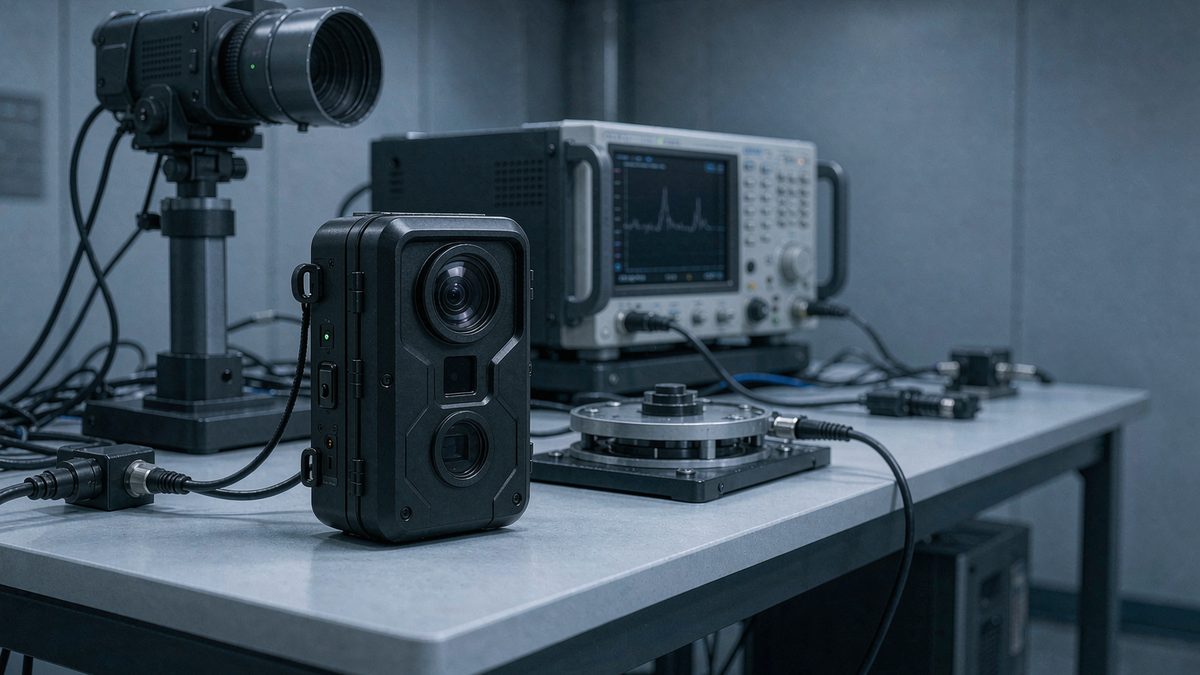
- IP66/IP67 waterproof rating — year-round reliability in rain, snow, and dust.
- Wireless transmission — real-time alerts for anti-poaching response.
Conclusion: For nature reserves, a trail camera is more than a gadget — it is a tireless, non-invasive observer that extends the reach of every ranger and researcher. Where budget and manpower are always limited, smart camera networks deliver the continuous, evidence-based eyes that modern conservation demands.
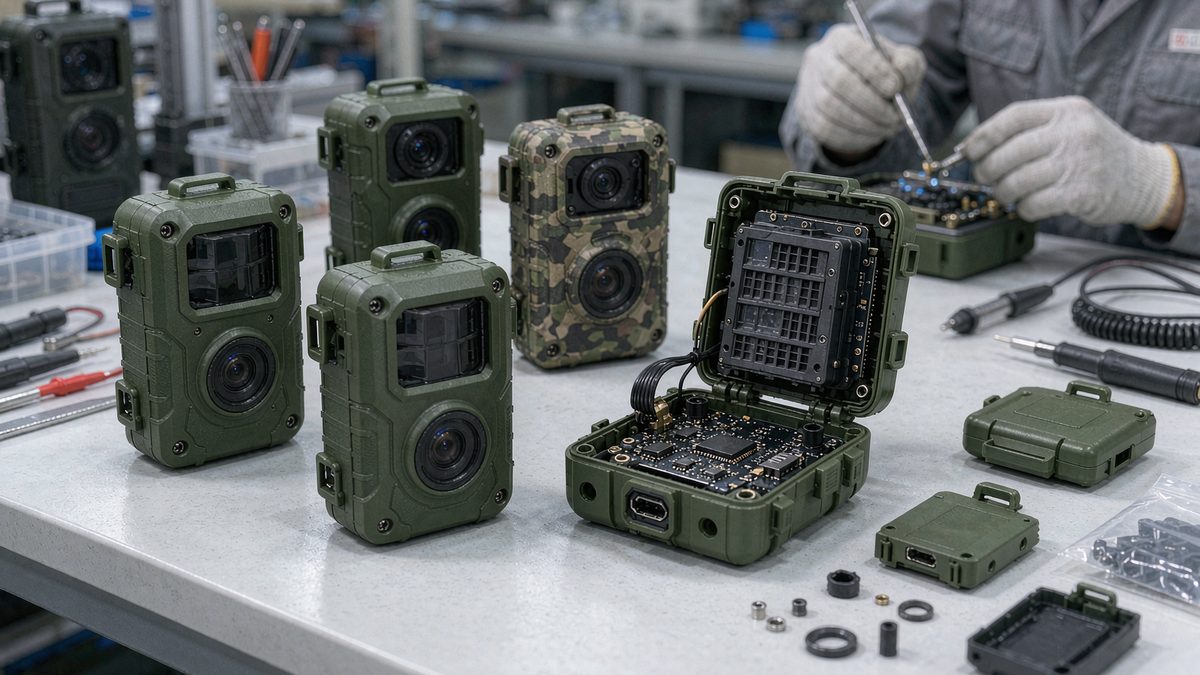
Looking for rugged, weatherproof trail cameras for your monitoring project? Grand Vision supplies professional-grade wildlife cameras with long battery life and IP67 protection. Contact us for catalogs and OEM options.