

Trail Camera + Night Vision Camera: The Winning Combo for Modern Hunting
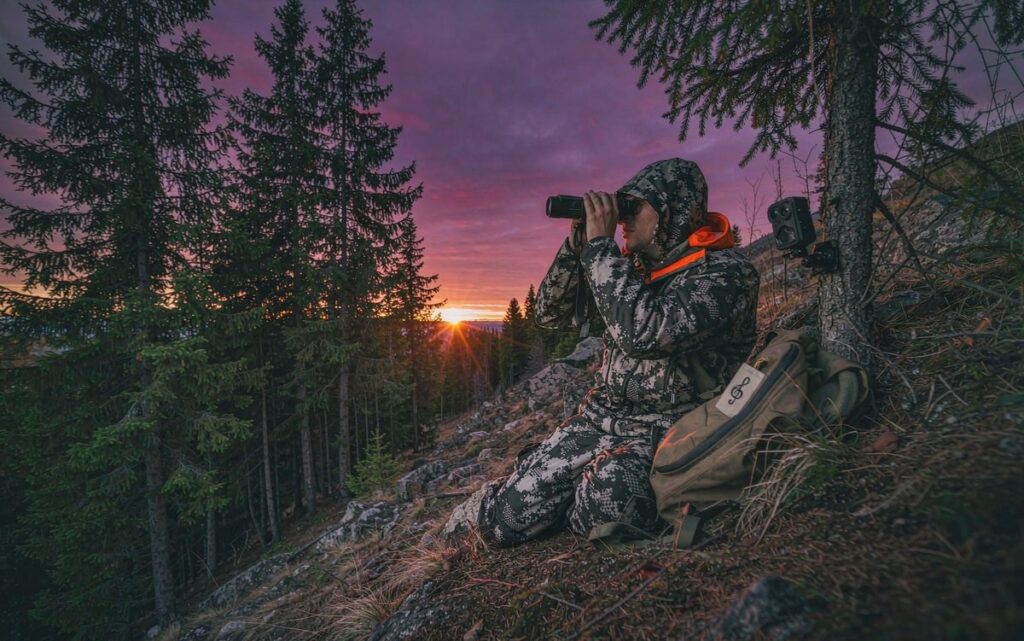
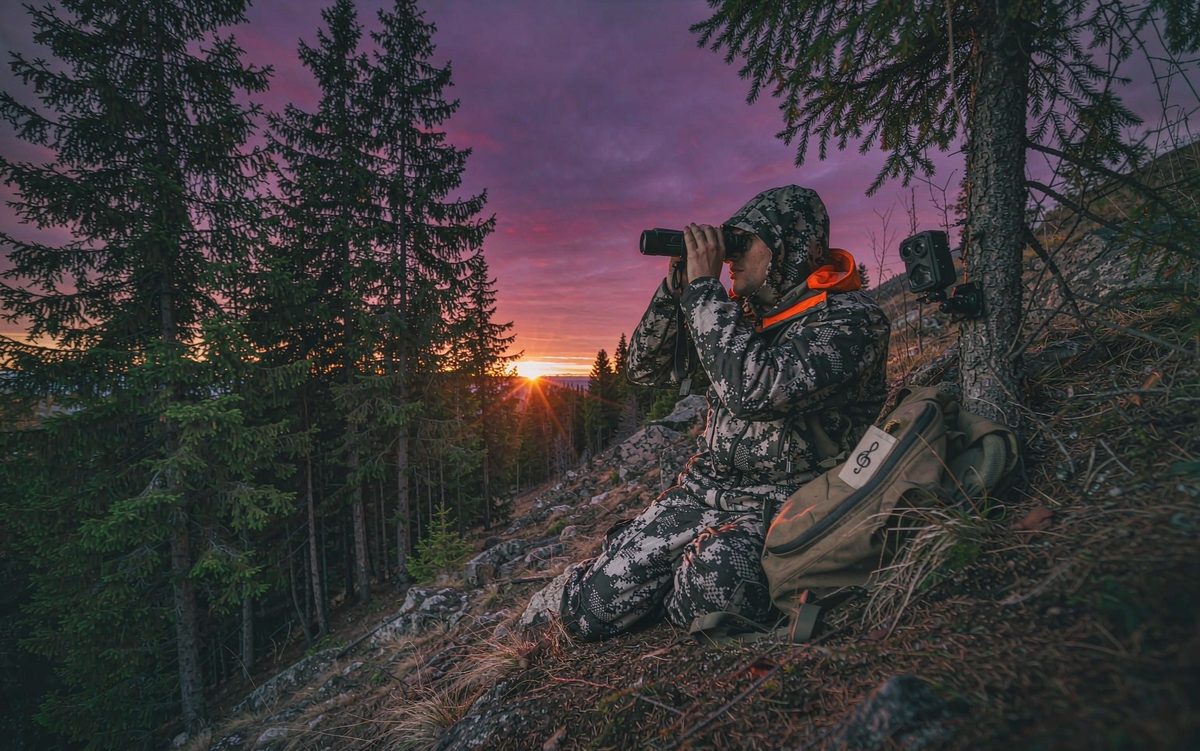
Every experienced hunter knows the truth: success is decided long before the trigger is pulled. It is decided in the scouting — knowing which trails the bucks use, at what hour, in which wind. Today, the single most effective scouting setup is not one device but a pair working together: a trail camera network that watches your ground around the clock, and a night vision camera that lets you see what happens after sunset. Here’s how the combo works, and why it changes the game.
Step 1: The Trail Camera Is Your 24/7 Scout
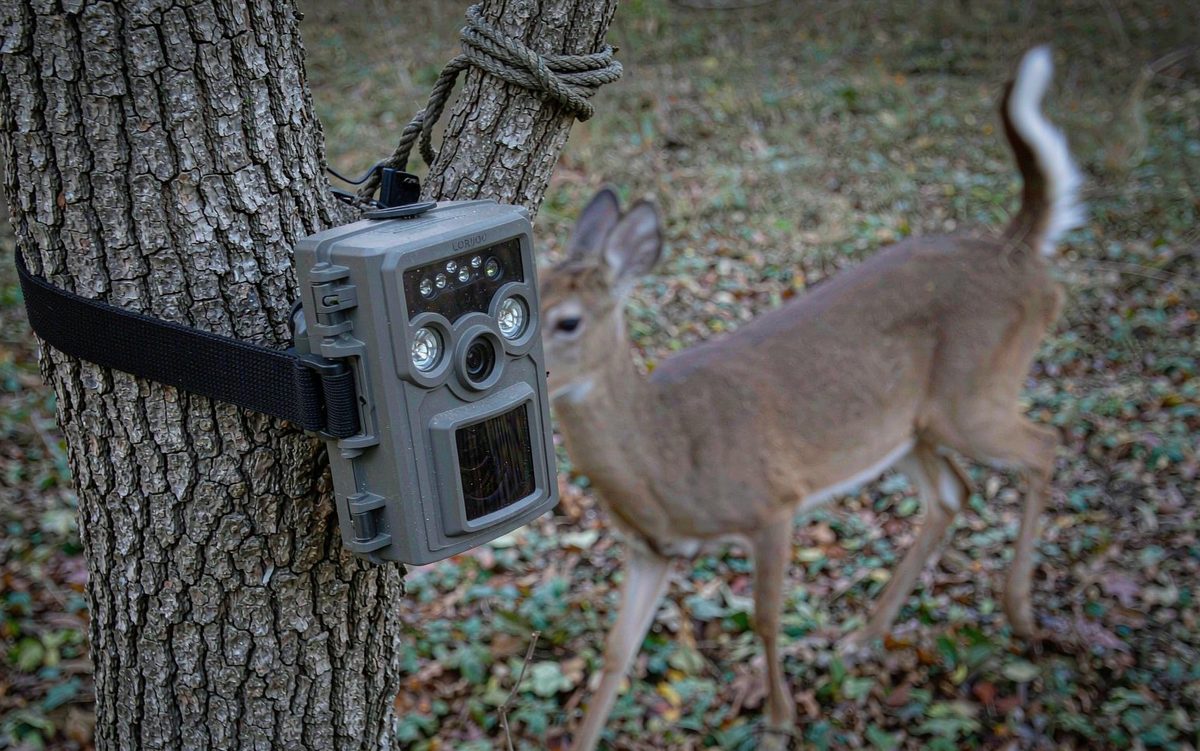
A trail camera is essentially a motion-activated field observer. Hung along pinch points, creek crossings, rub lines, and food plots, it quietly logs every animal that passes — with date, time, and temperature stamped on each frame.
Over two or three weeks, the data tells a story that no amount of walking the woods can reveal:
- Movement patterns — when deer travel between bedding and feeding areas;
- Animal quality — age class, body condition, and antler development, so you can make selective harvest decisions;
- Pressure response — how game shifts its schedule after human activity, weather fronts, or moon phases.
Cellular models take this further, streaming photos to your phone so you can monitor a remote property without ever walking in and leaving scent behind — the single biggest advantage of modern scouting.
Step 2: Night Vision Extends the Hunt After Dark
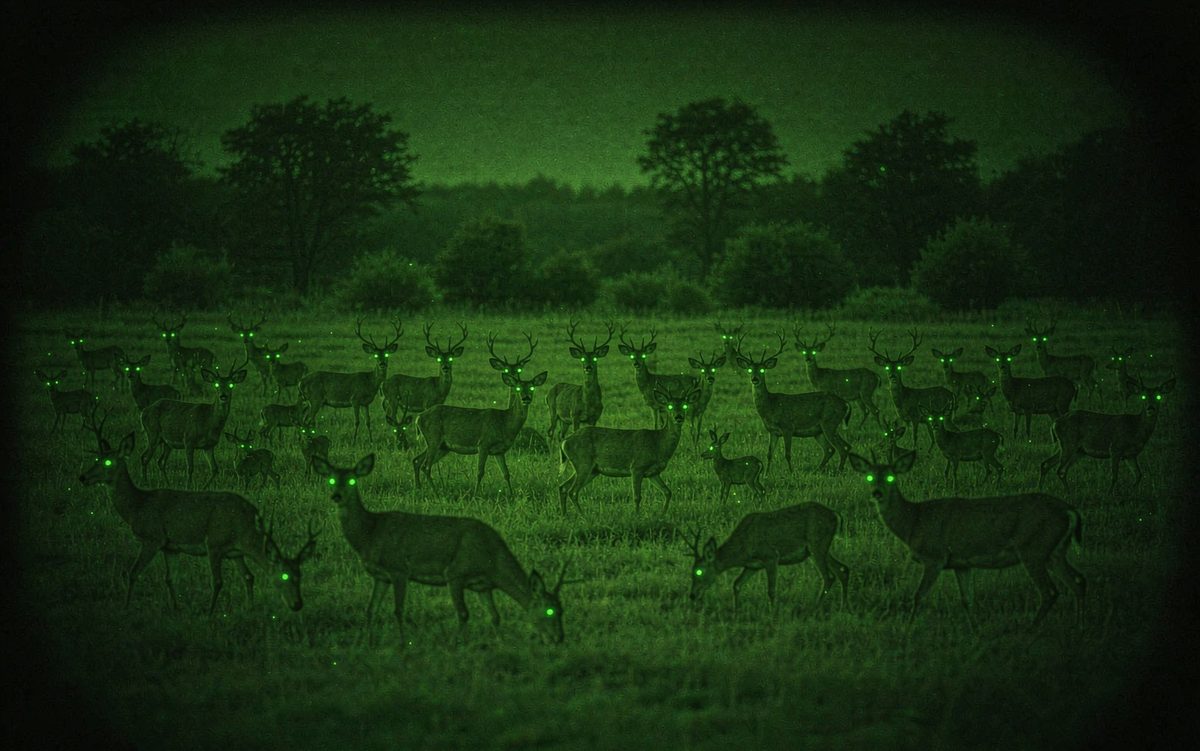
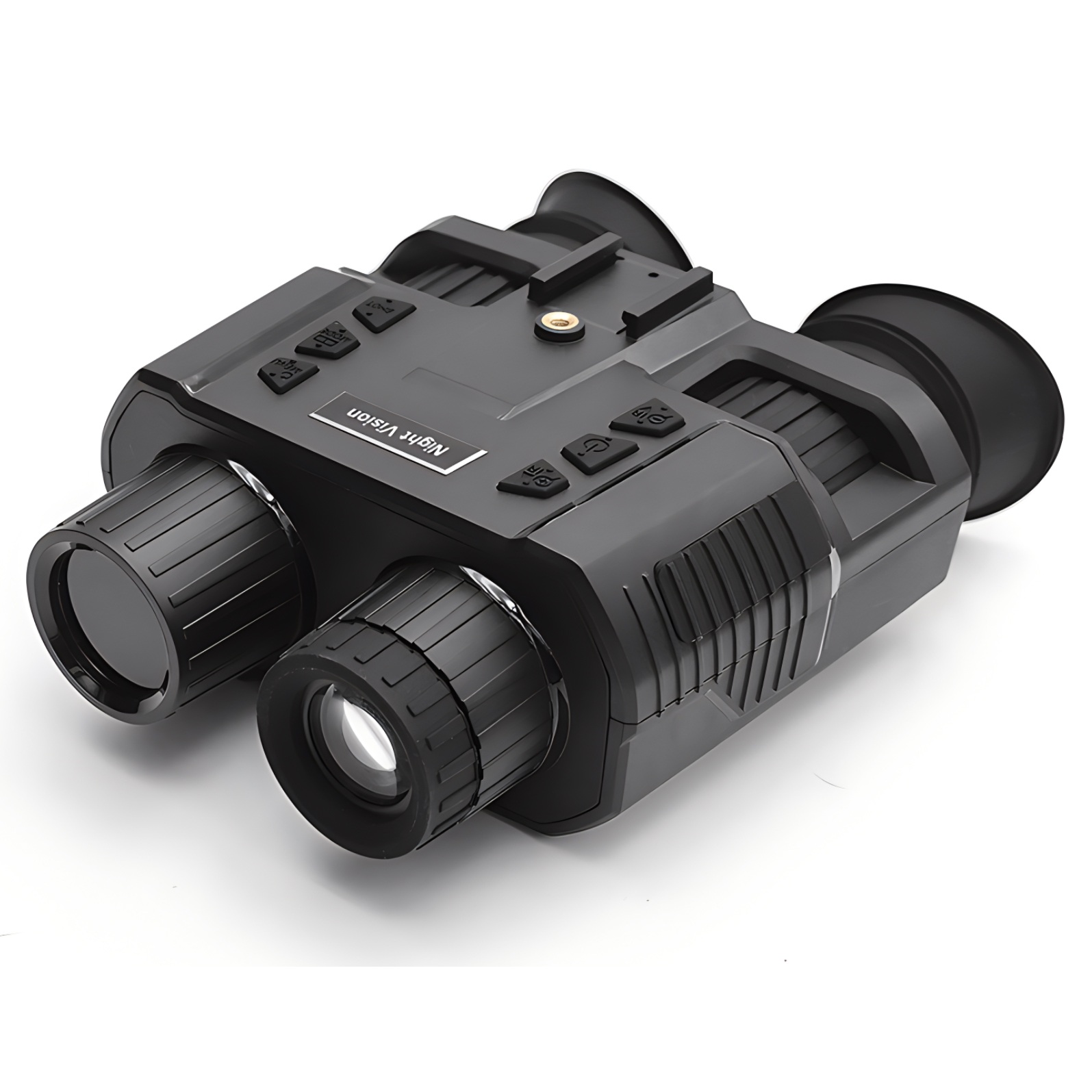
Much of the action happens in the last hour of light and the first hours of darkness — exactly when the human eye fails. A night vision camera (or monocular) closes that gap. Digital night vision amplifies available light and pairs it with infrared illumination, letting you clearly identify species, count animals, and judge trophy quality in total darkness, all without spooking game with a visible light source.
This is invaluable for predator and hog control after dark (where legal), for verifying which animals are still on your property before the season opens, and for safely walking out of the woods at night.
Step 3: Why the Combo Beats Either Device Alone
Each tool has a blind spot — and each covers the other’s:
- A trail camera gives you history and patterns, but only at fixed points, and its stills can’t tell you how animals behave right now.
- A night vision device gives you real-time eyes, but without scouting data you don’t know where to point it.
Together they form a complete intelligence loop: the trail camera tells you where and when; the night vision camera confirms what’s happening there right now. Hunt the stand your cameras recommended, and if nothing moves by the last light, glass the field edge with your night scope before walking out. Hunters using this workflow consistently report better stand placement, higher encounter rates, and shorter sits.
Practical Setup Tips
- Deploy 1 camera per 100 acres at minimum, focusing on funnels and water sources.
- Check cameras sparingly — or go cellular — to minimize human pressure.
- Match IR types: no-glow flash on cameras and IR illuminators keep you undetectable.
- Log everything: combine camera timestamps with wind and moon data to predict the next movement window.
- Know your local regulations — night hunting and electronic optics rules vary by region and species.
Conclusion: Modern hunting rewards preparation, not luck. A trail camera network builds the map; a night vision camera lets you work the night shift. Together they turn guesswork into pattern-based hunting — more encounters, cleaner harvests, and far fewer empty stands.
Grand Vision offers rugged IP67-rated trail cameras and digital night vision optics built for serious field use. Explore the range or contact us for wholesale and OEM programs.