






Product Details
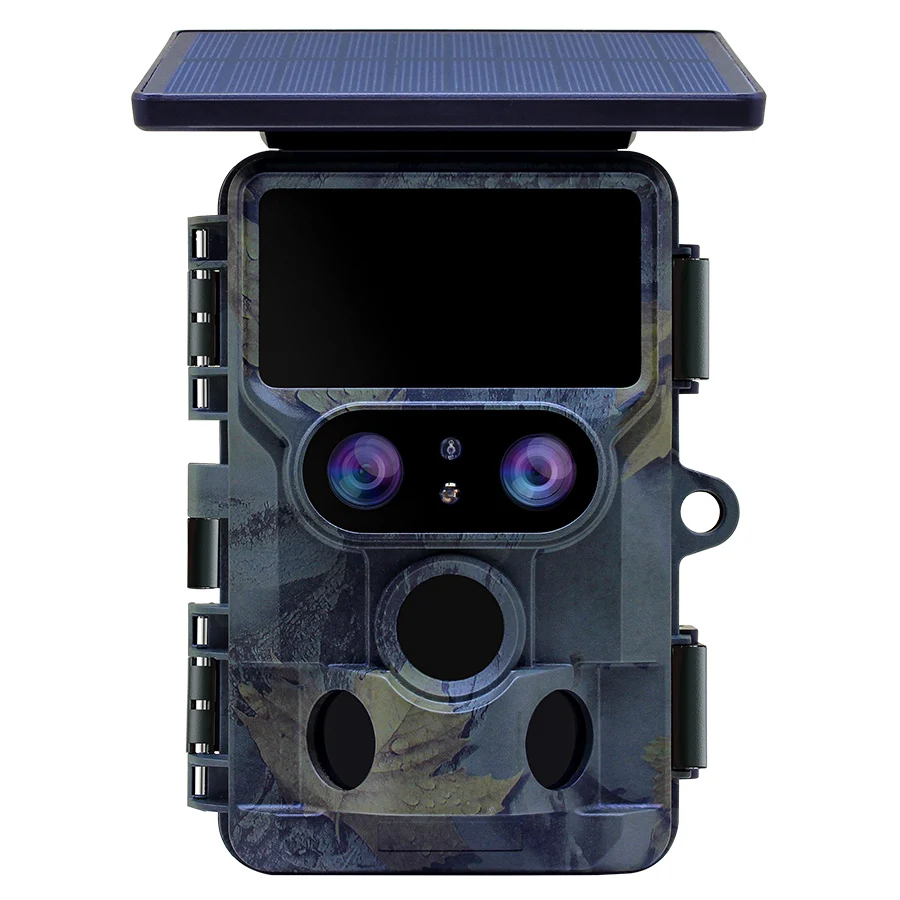
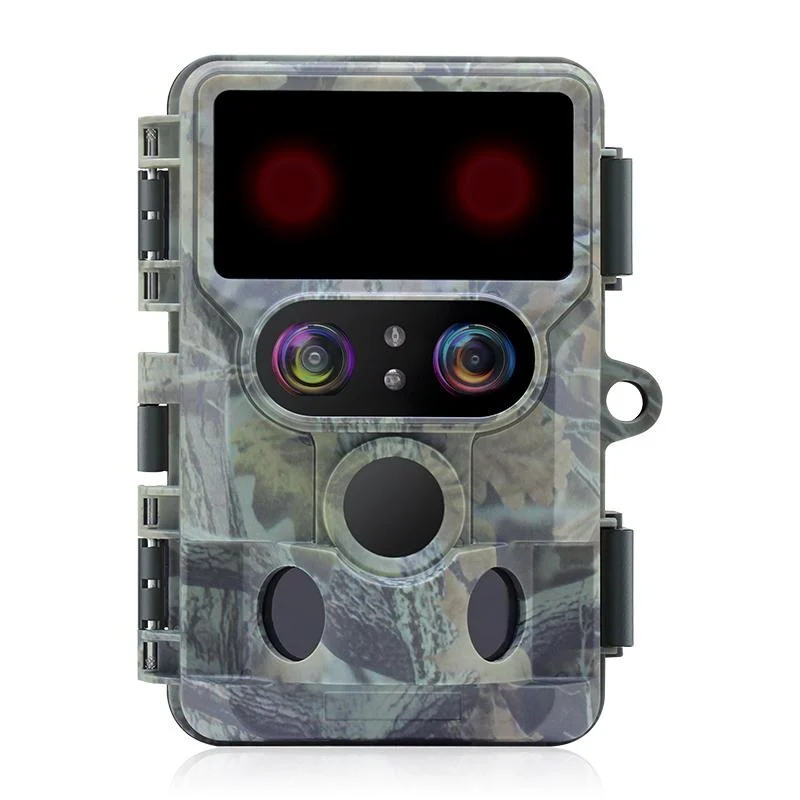
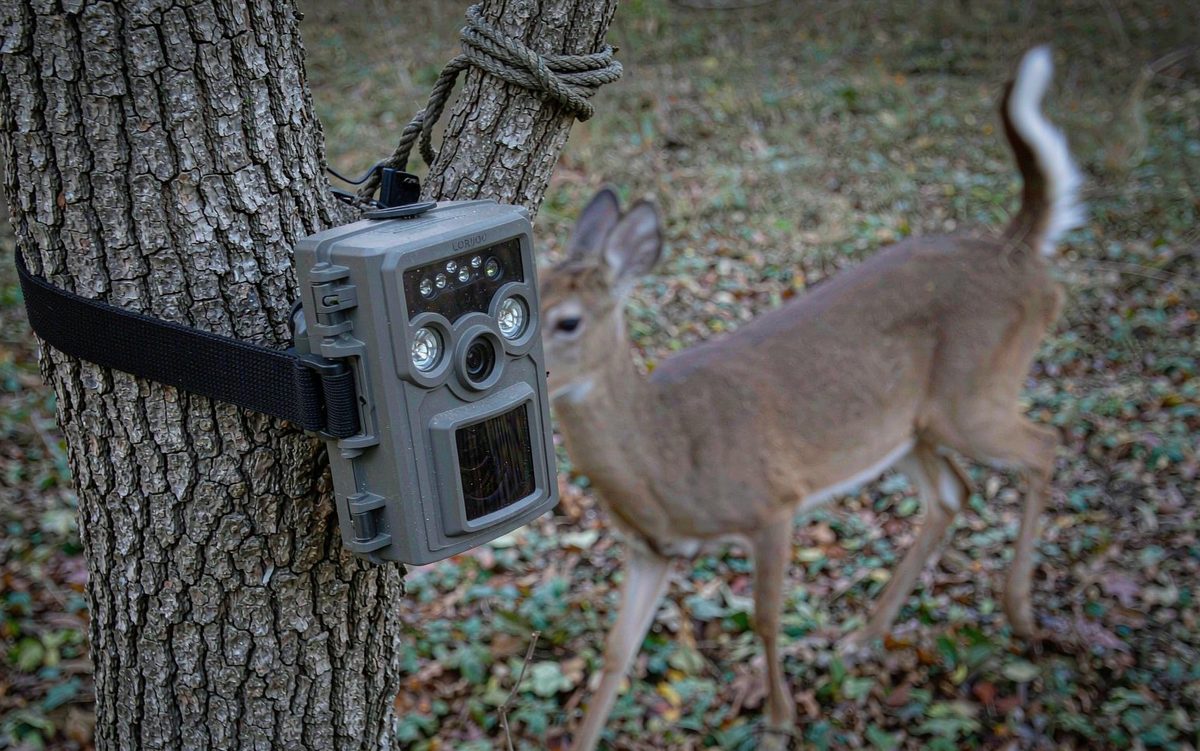
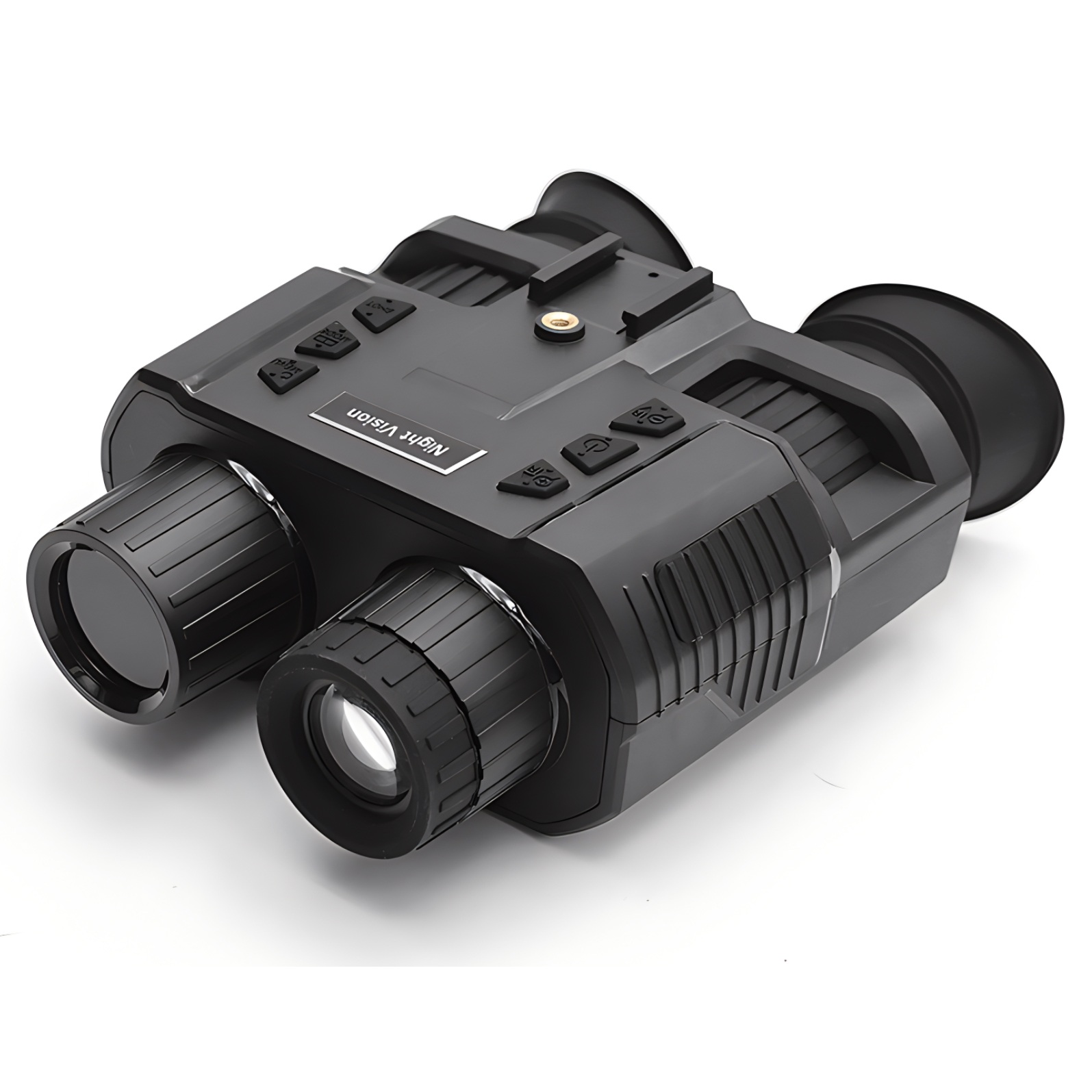
Farms are among the hardest properties to secure: long fences, multiple gates, diesel and tool sheds, machinery left in paddocks, livestock spread over hundreds of hectares — and usually nobody living near the far boundary. Professional CCTV is expensive to run to every corner because of cabling and power. Trail cameras (game cameras) and night vision devices solve this differently: each unit is a self-contained, battery-powered, weatherproof watchdog that needs no wiring at all, and the 4G models send every event straight to your phone.
Why Trail Cameras Fit Farm Security So Well
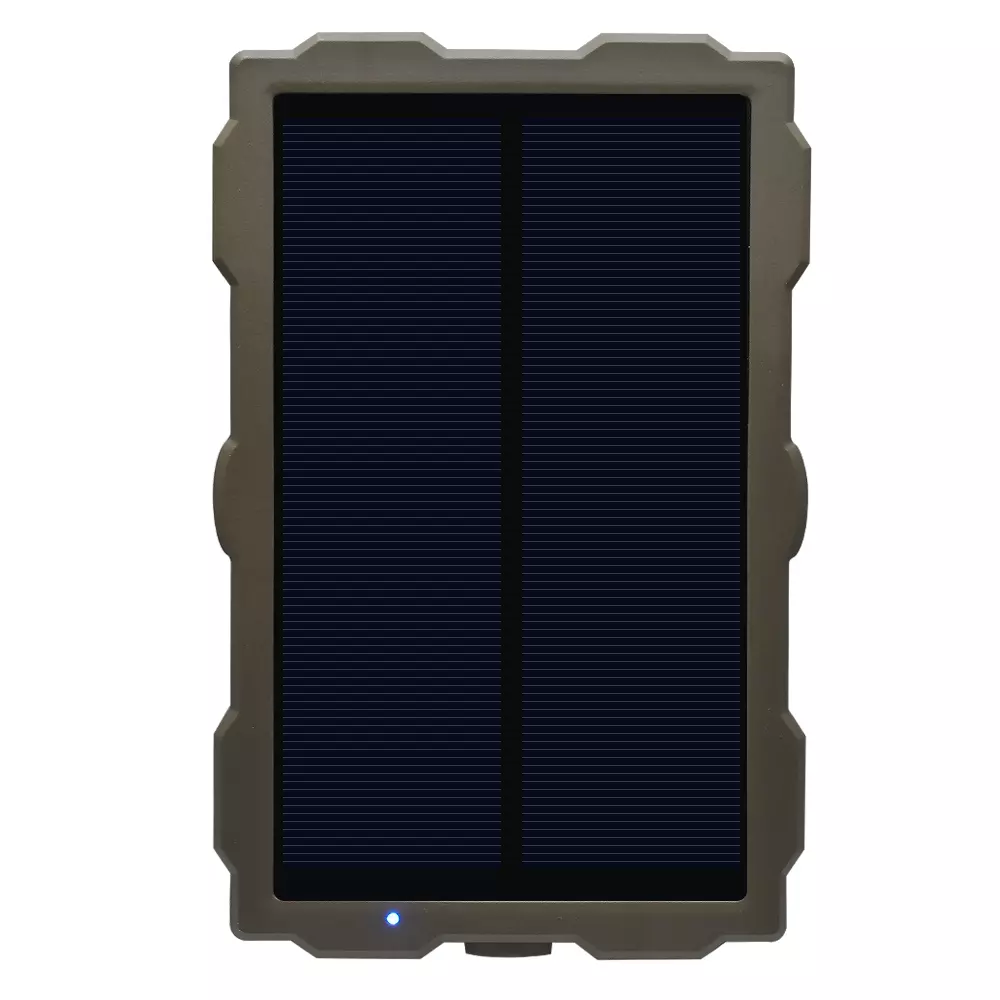
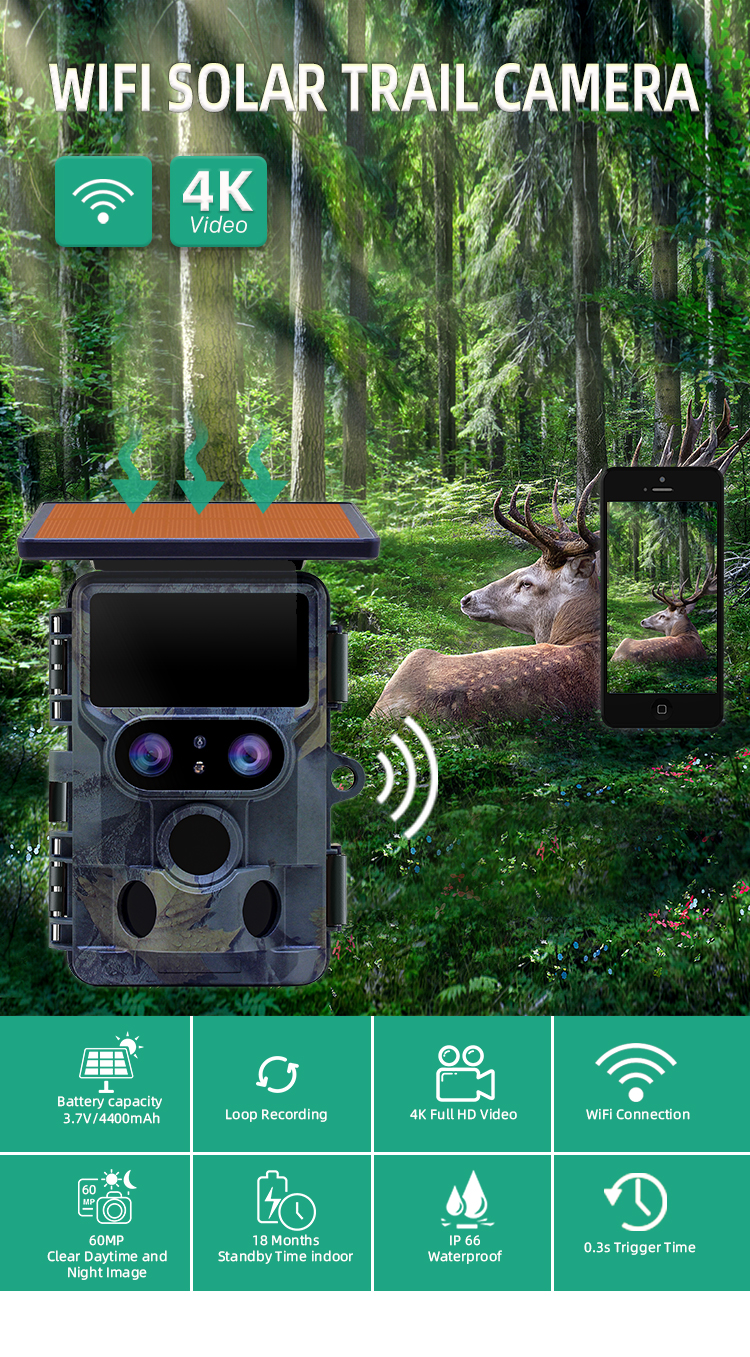
- No power, no cables. Batteries last 6–12 months; solar-panel models run indefinitely in the field.
- Invisible at night. 940 nm no-glow infrared LEDs capture 30–35 m of black-and-white night footage with no visible flash to alert intruders or spook livestock.
- Instant evidence. 0.2–0.3 s trigger speed, 36 MP photos and 4K video with date, time and GPS coordinates stamped on every file.
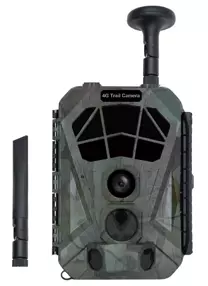
- Alerts to your phone. 4G cellular models push photos in real time — no need to drive out to pull SD cards.
- Built for the weather. IP66 housings shrug off rain, dust and heat, from −20 °C to 60 °C.
How the System Works
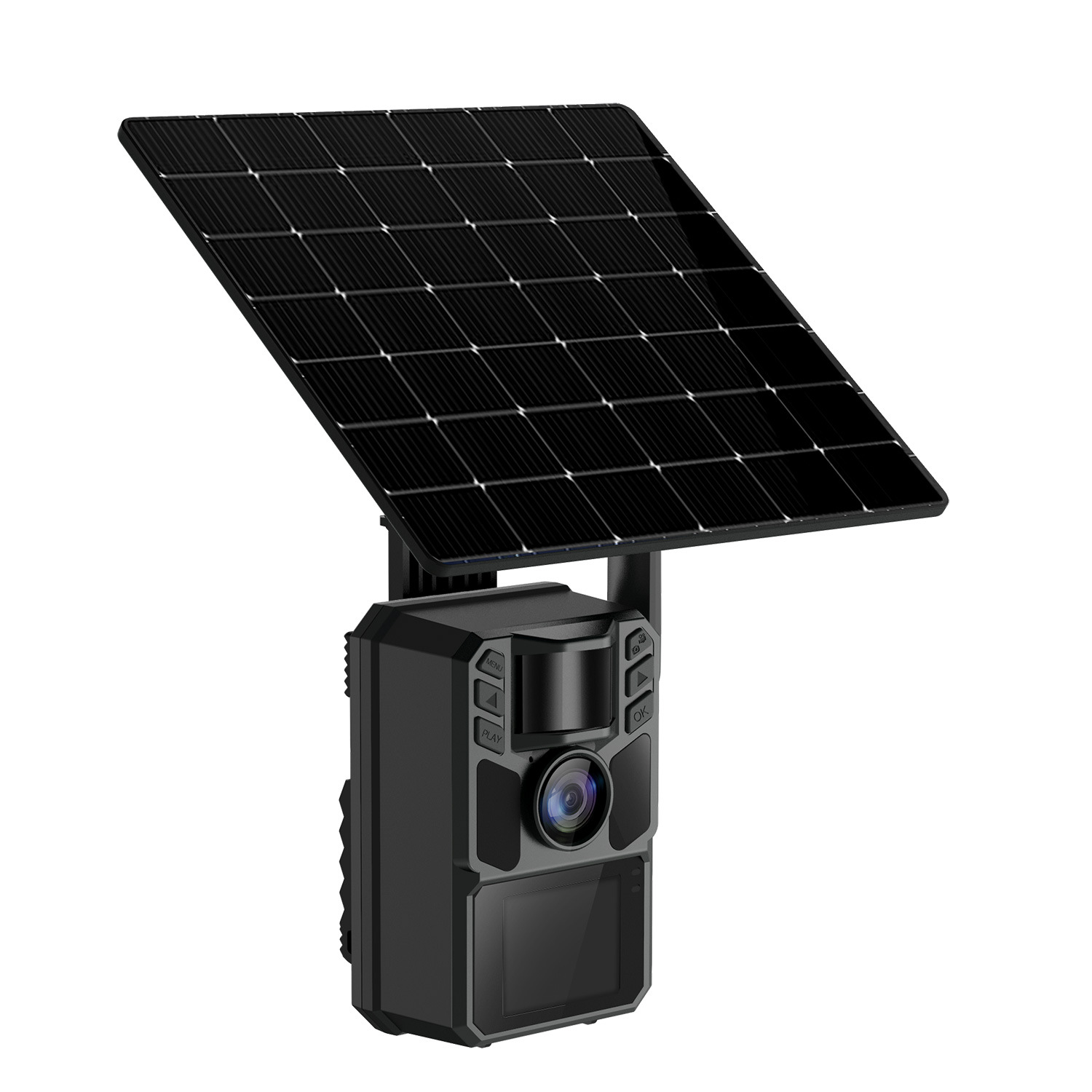
The working principle is a simple closed loop: the passive infrared (PIR) sensor constantly watches for moving heat sources. When an animal, vehicle or person crosses the detection zone, the camera wakes, captures photo and video, stamps it with time and GPS, and — on cellular models — uploads everything through the 4G network to the cloud, which pushes an alert to the farmer's phone within seconds.
Working Principle of a 4G Trail Camera
A Typical Farm Monitoring Network
Because every camera is wireless and solar-powered, a farm builds its security network the way it needs — a handful of units first, expanding paddock by paddock. A common layout puts 4G cameras at the main gate and fuel/diesel store, WiFi models (where the farmhouse signal reaches) around sheds and yards, and a pair of night vision binoculars in the farmhouse for direct spot checks after dark. All cameras report into one phone app.
Farm Security Network Topology
Three Field Cases
Catching Stock Thieves at a Back Gate, 8 km From the House
A cattle station in Queensland lost three head of stock over two years, always at the far boundary gate. Two solar 4G cameras were strapped to trees covering the gate and the creek crossing. Six weeks later the owner received 11 photos at 2:40 a.m. — a vehicle and two men with a trailer. The time- and GPS-stamped images went straight to the police, and the vehicle was identified. Total hardware cost: less than one lost bull.
Watching the Machinery Shed Without Running a Single Cable
A mixed farm wanted overnight coverage of a machinery shed 600 m from the farmhouse — beyond practical CCTV cabling. A WiFi solar camera on the shed wall connects to the farmhouse network and records all movement between dusk and dawn; a second camera watches the diesel bowsers. When the pump area camera detects motion, the farmer gets a photo on his phone in seconds. In the first season it flagged two incidents: a fuel siphoning attempt and a pump left running dry.
Night Vision for Lambing Season and Feral Control
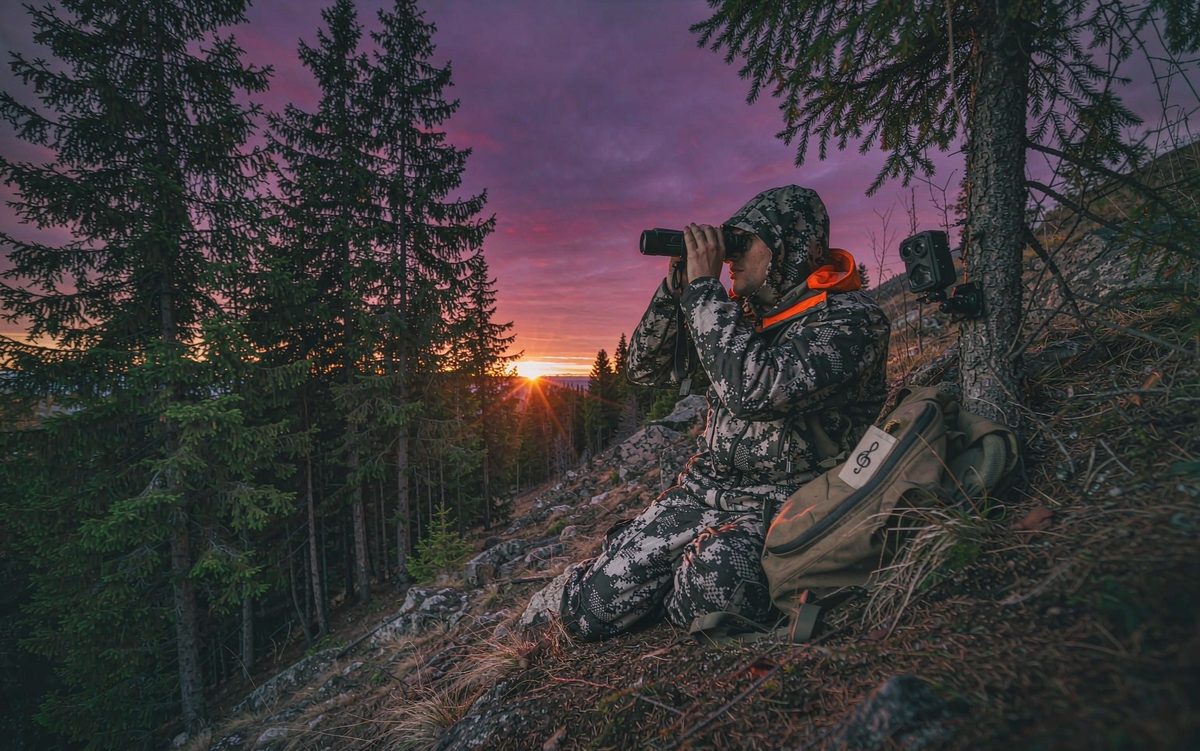
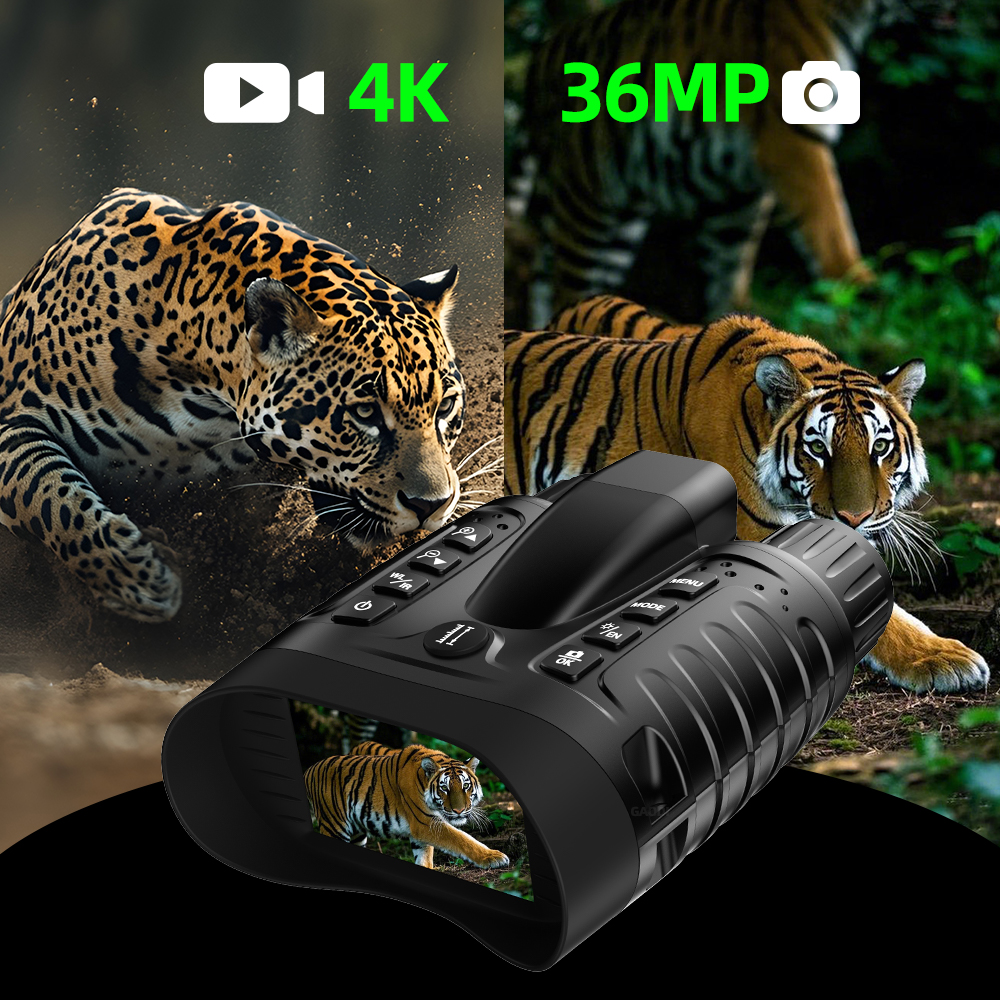
During lambing, a shepherd walks the lambing paddocks each evening with a pair of 4K night vision binoculars — total darkness, no white light to disturb the ewes, foxes and feral dogs clearly visible at 200+ m in infrared. Meanwhile, time-lapse trail cameras at the water trough record exactly when foxes pass through, so shooting and trapping happens on schedule, not on luck. The farmer's verdict: "It turned night patrol from guesswork into routine."
Recommended Setup per Zone
| Farm zone | Recommended device | Why |
|---|---|---|
| Remote gates & boundary | 4G solar trail camera (e.g. HC30C, HG200) | Real-time push anywhere with cell coverage; solar = no battery runs |
| Sheds, yards, fuel store | WiFi solar trail camera (e.g. D11) | Free transmission within farmhouse WiFi range |
| Water points / stock movement | Trail camera in time-lapse mode | Timelapse records patterns even without motion triggers |
| After-dark patrols | Night vision binoculars / monocular | See people and predators at 200 m in total darkness |
Build Your Farm Security Kit With a Source Factory
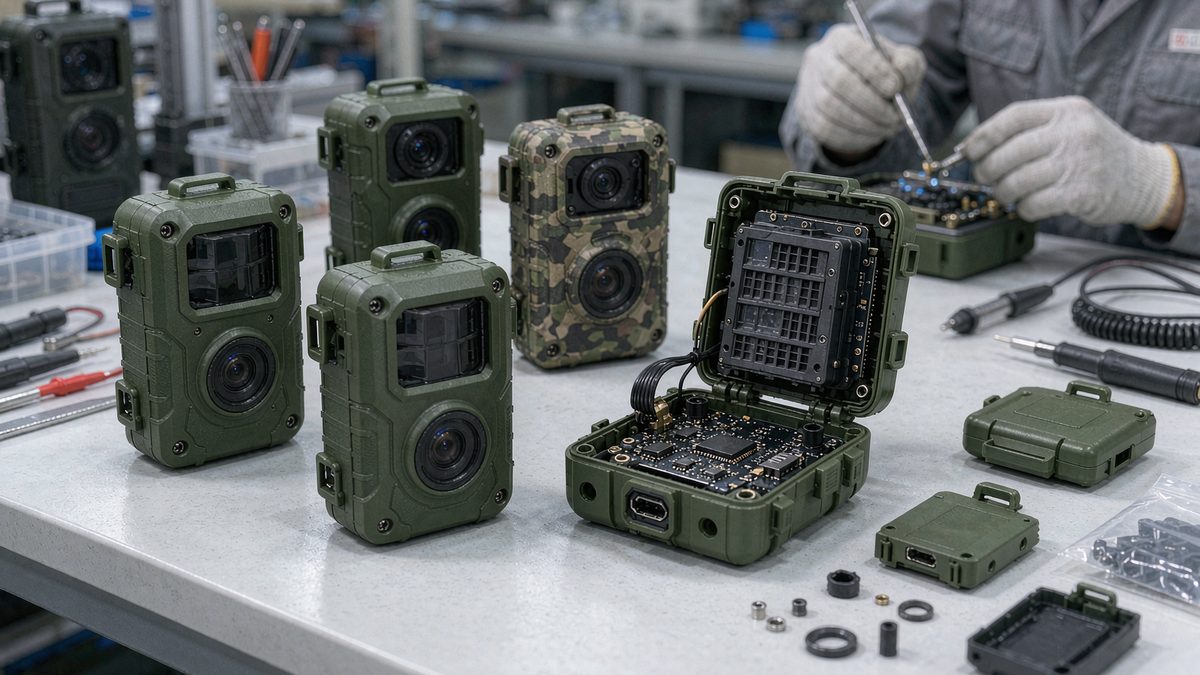
Grand Vision Tech manufactures the full line-up — solar 4G trail cameras, WiFi models, night vision binoculars and matching solar panels — with OEM/ODM support for distributors and farm-supply retailers: your logo, your packaging, your App branding.
Email: [email protected] · Web: www.grandvisionsz.com · WhatsApp: +86 135 1013 3046