This question is asked constantly by people new to low-light optics, and the distinction is fundamental.
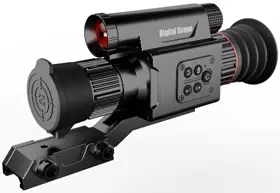
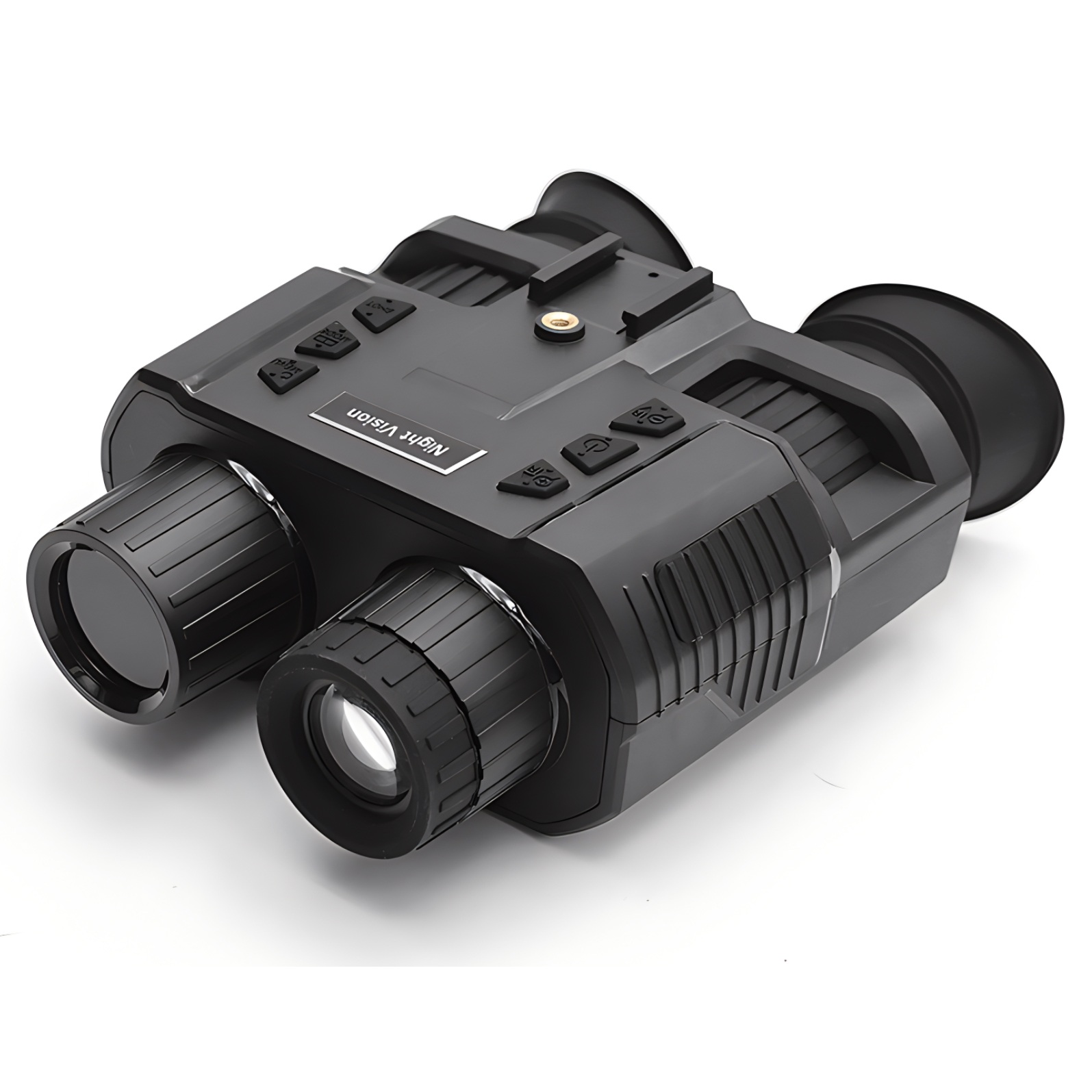
Night vision (image intensifiers and digital NV) amplifies available visible and near-infrared light. It shows what’s physically present in the environment — vegetation, terrain features, building structures — because it works with reflected light. It requires some light source (ambient or active IR).
Thermal imaging detects heat emitted by objects. Everything with a temperature above absolute zero emits infrared radiation in the long-wave infrared band (8–14 microns). Thermal cameras detect this emitted heat without requiring any light at all — they work in absolute total darkness, through smoke, and in some cases through light fog or foliage.
Key practical differences:
|
Feature
|
Night Vision
|
Thermal
|
|
Works in total darkness
|
With active IR only
|
Yes — passive
|
|
Shows terrain detail
|
Excellent
|
Poor
|
|
Detects animals in brush
|
Moderate
|
Excellent
|
|
Works through glass
|
Partially
|
No
|
|
Detect warm engines/machines
|
No
|
Yes
|
|
Cost
|
Lower
|
Higher
|
For hunting warm-blooded game in dense cover, thermal wins on detection performance. For navigation, reconnaissance, and situations where you need to see the environment itself, night vision provides more contextual information.